Just value chains: how corporate decarbonisation activities can impact communities
08 September 2026
Research on social risks linked to decarbonisation, helping investors identify just transition challenges across corporate value chains
Research on social risks linked to decarbonisation, helping investors identify just transition challenges across corporate value chains
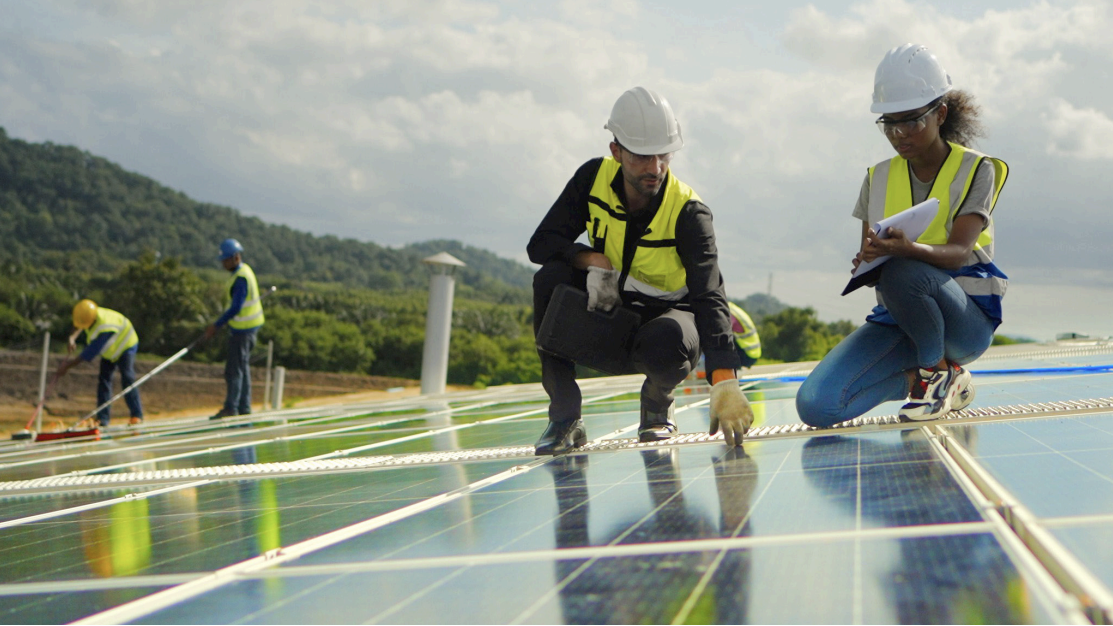
The transition to a low-carbon economy can create significant social impacts if it is not managed fairly. As companies implement decarbonisation strategies to meet climate targets, the technologies, activities and investments they deploy can affect local communities across their value chains. Understanding and managing these risks is essential to achieving a just transition that supports both climate goals and social outcomes.
This insight brief examines the social impacts of corporate decarbonisation activities and introduces an evidence-based framework to help investors and companies identify, assess and manage just transition risks. Combining academic research with corporate disclosure data, the framework highlights how different decarbonisation levers can create sector-specific social challenges and opportunities for investor engagement.
The authors adopt three broad categories of social impacts on local communities: land-use conflicts, unequal distribution of costs and benefits, and regional economic decline.
The analysis shows that:
The framework helps investors understand how corporate decarbonisation strategies may generate social risks across value chains, supporting more informed stewardship, shareholder engagement and assessment of transition plans. By identifying sector-specific just transition challenges, investors can better evaluate the resilience and credibility of companies' climate strategies.
Just value chains: how corporate decarbonisation activities can impact communities
3.42 MB