2026 Net Zero Strategies assessments on oil & gas and diversified mining now available
18 March 2026
Covering 16 oil & gas and six diversified mining companies
Covering 16 oil & gas and six diversified mining companies
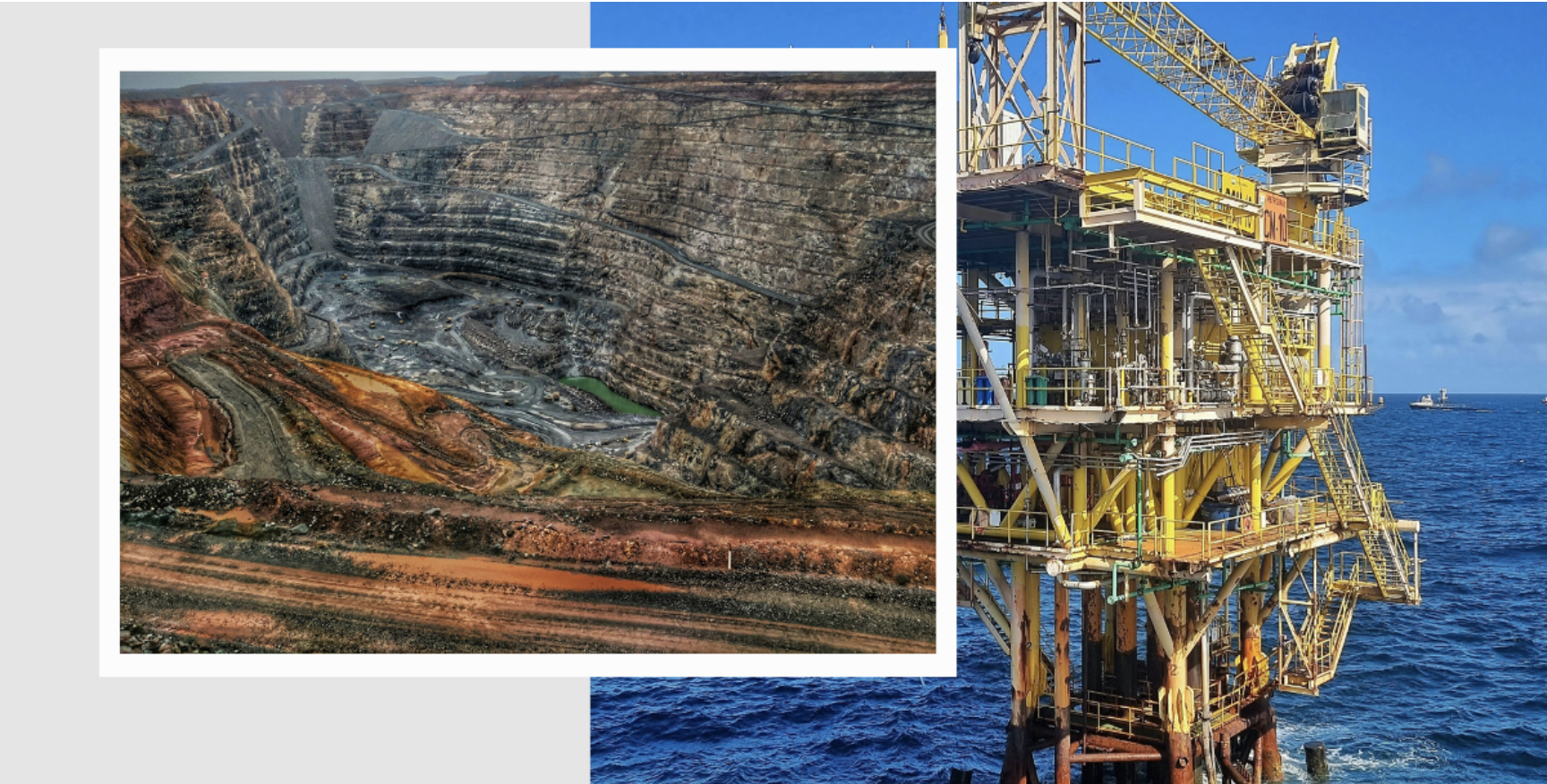
The TPI Global Climate Transition Centre (TPI Centre) at the London School of Economics and Political Science (LSE) has released its Net Zero Strategies (NZS) assessment results for the oil & gas and diversified mining sectors. NZS is a sector-specific assessment framework designed to evaluate companies' transition plans and decarbonisation strategies across their business segments. It systematically assesses how companies are planning to reach their emissions targets through a comprehensive evaluation of decarbonisation levers and capital expenditure plans.
This year’s NZS assessments evaluate the transition plans of 16 oil & gas and six diversified mining companies. These companies have a combined market capitalisation of over $2.8 trillion as of March 2026 and represent some of the world’s largest extractive companies.
Both of these sectors play a critical role in the low-carbon transition. In 2024, the oil & gas sector accounted for 51% of global energy-related greenhouse gas emissions and 53% of global energy supply. Many oil & gas companies are diversifying their portfolios – albeit slowly – towards alternative energy sources, including renewables and low-carbon fuels. Meanwhile, value chain emissions from iron ore and metallurgical coal – major products for some diversified miners – when used in steelmaking are estimated to account for 30% of global industrial emissions according to the International Energy Agency (IEA). At the same time, the mining sector is a critical enabler of the energy transition through its production of key transition materials (KTM).
The NZS assessment frameworks for these two sectors are organised in thematic areas, each representing a key dimension of corporate transition strategies across relevant business segments. Each area is assessed using Yes/No binary indicators. The frameworks also include quantitative alignment assessments that compare companies’ targeted pathways against low-carbon scenario benchmarks. For example, the diversified mining framework assesses the alignment of companies’ targets to ramp up production of KTMs.
Our NZS assessment data show that the comprehensiveness of decarbonisation strategies varies widely across sectors and thematic areas, with companies pursuing different approaches to decarbonising their operations and diversifying their businesses. Key highlights from the data include:
The assessment data for both sectors can be found here.